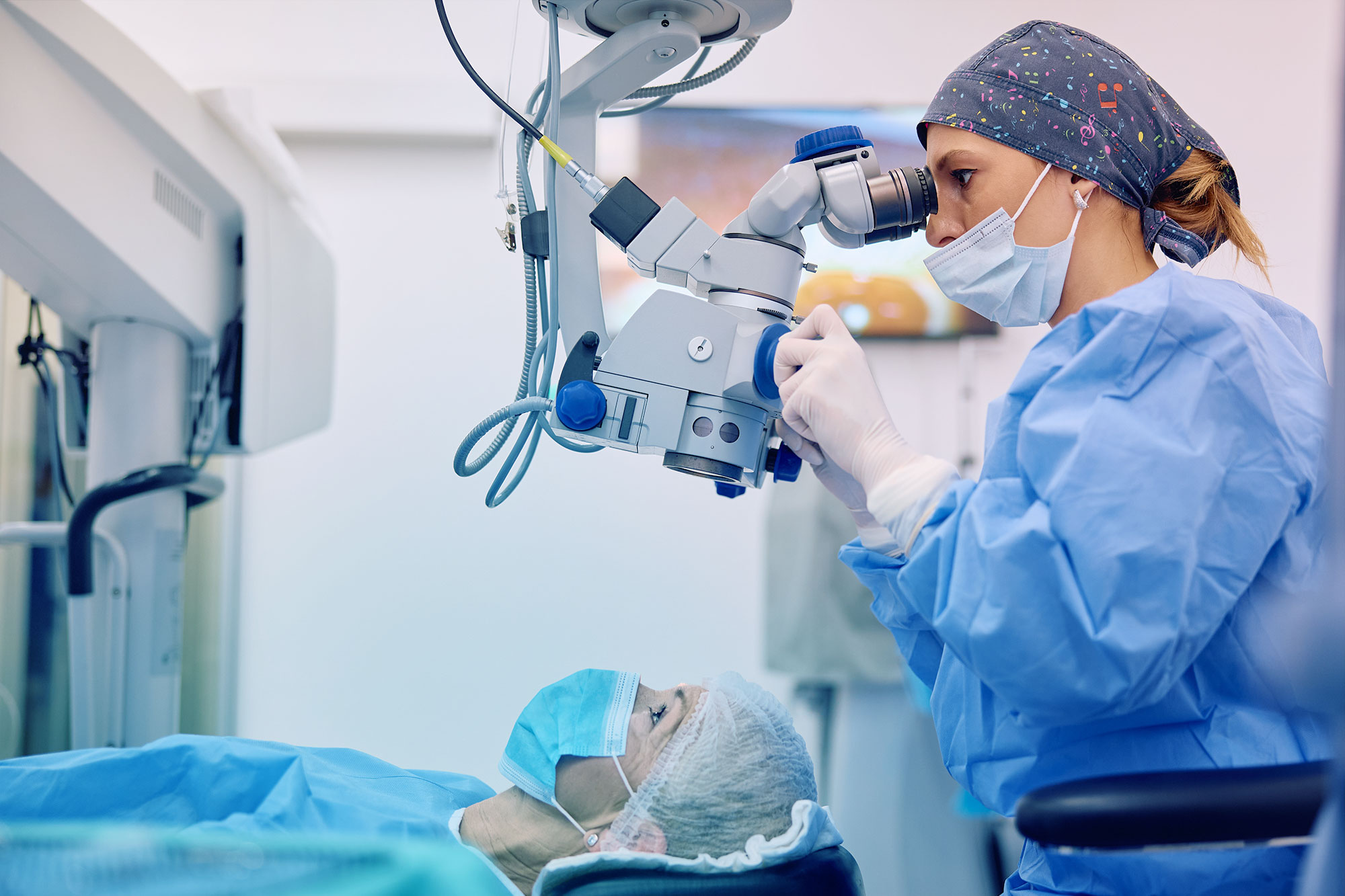
Glaucoma symptoms may be difficult to notice because the most common type often develops gradually and without pain. This article explains early warning signs, glaucoma causes, changes in peripheral vision, diagnostic eye tests, treatment options, and symptoms that require urgent medical assessment.
Last update: 14/7/2026
Glaucoma refers to a group of eye conditions that damage the optic nerve, which is responsible for transmitting visual information from the eye to the brain.
Glaucoma symptoms are often hard to detect, as the most common type typically develops gradually and without causing pain.
As damage progresses, a person may gradually lose peripheral vision before noticing central changes. Sudden eye pain, redness, blurred vision, halos, headache, or nausea may indicate acute angle-closure glaucoma and needs urgent assessment.
Regular comprehensive eye examinations remain the most reliable way to detect early disease.
Not sure whether the changes you notice need a glaucoma eye assessment? Message Magrabi Health on WhatsApp for guidance on the appropriate service or branch.
For many people, early glaucoma signs do not feel like anything. Open-angle glaucoma can develop without pain, redness, or obvious blurred vision while small areas of peripheral vision are gradually affected. Relying on symptoms alone may therefore delay diagnosis.
What people sometimes call eye pressure symptoms are also unreliable. High eye pressure may cause no noticeable sensation, and glaucoma can sometimes damage the optic nerve even when pressure is within the usual range. A complete eye examination is more useful than judging pressure from how the eye feels.
Glaucoma develops when the optic nerve becomes damaged. In many cases, the damage is associated with pressure inside the eye that is too high for that nerve, often because the clear fluid in the front of the eye does not drain efficiently.
Important glaucoma causes and contributing factors include:
Reduced fluid drainage: Fluid may build up and increase eye pressure.
Normal-tension glaucoma: Optic nerve damage can occur even with pressure readings in the usual range.
Secondary glaucoma: Eye injury, inflammation, previous surgery, or long-term corticosteroid use may contribute.
Narrow drainage angles: Eye anatomy can increase the risk of angle closure.
Family history: Having a parent or sibling with glaucoma increases risk.
Other factors: Increasing age, diabetes, very short or long sight, and a thin central cornea may raise risk.
A risk factor does not mean glaucoma will definitely develop. Doctors at Magrabi emphasize that risk is assessed through medical history, eye pressure measurement, optic nerve evaluation, and other examination findings.
Glaucoma symptoms varies by type and stage. The most common form is often silent at first, while acute angle-closure glaucoma can cause sudden warning signs.
Possible changes include:
No obvious symptoms in the early stage.
Small blind spots in peripheral vision.
Difficulty noticing objects to the side.
Gradual vision loss that may be difficult to recognise.
Reduced central vision in advanced stages.
Because both eyes may compensate for each other, side-vision loss can go unnoticed. Regular testing may identify changes before they affect daily activities.
Symptoms may include:
Sudden severe eye pain.
A red eye.
Blurred vision.
Halos or coloured rings around lights.
A strong headache.
Nausea or vomiting.
These symptoms should not be monitored at home. Seek urgent ophthalmic or emergency care because eye pressure may need to be reduced quickly.
Normal-tension glaucoma may follow the same slow pattern as open-angle glaucoma, including gradual peripheral vision loss without pain. Secondary glaucoma symptoms depend on the underlying cause and may develop slowly or suddenly.
Blurred vision, discomfort, or redness can occur in many eye conditions and do not confirm glaucoma. A glaucoma eye examination is needed to identify the cause.
To understand the next step after possible glaucoma symptoms, explore Magrabi Health UAE’s glaucoma treatment service. The page explains assessment, monitoring, and treatment pathways based on examination results.
Glaucoma cannot be diagnosed by symptoms or one eye pressure reading alone. Magrabi’s medical team explains that diagnosis usually combines several parts of a comprehensive eye examination:
Medical and family history: The doctor reviews symptoms, previous eye problems, medicines, health conditions, and glaucoma in close relatives.
Eye pressure measurement: Tonometry measures pressure inside the eye.
Optic nerve assessment: A dilated examination and OCT imaging may look for structural changes.
Visual field test: This checks peripheral vision and identifies areas that may not be seen clearly.
Drainage-angle examination: Gonioscopy shows whether the angle is open, narrow, or closed.
Corneal thickness measurement: Pachymetry helps the doctor interpret pressure readings.
Some tests are repeated during follow-up. Comparing results over time helps the ophthalmologist determine whether the condition is stable or progressing.
Glaucoma treatment aims to lower eye pressure and reduce the risk of further optic nerve damage. It cannot usually restore vision already lost from glaucoma, but early and consistent care can help protect remaining vision.
The plan varies according to glaucoma type, stage, target pressure, general health, and response to previous care. Options may include:
Prescription eye drops: These may reduce fluid production or improve drainage and should be used exactly as prescribed.
Laser treatment: Selected procedures may improve drainage or create another pathway for fluid.
Surgery: Conventional surgery, drainage devices, or minimally invasive procedures may be considered when pressure remains uncontrolled or the optic nerve is at risk.
Monitoring: Some people with raised pressure but no clear nerve damage may need observation or preventive treatment based on their overall risk.
Follow-up is essential. The doctor may repeat pressure checks, optic nerve imaging, and a visual field test to confirm whether treatment is controlling the condition.
Most forms of glaucoma symptoms cannot be completely prevented. However, early detection and appropriate treatment can reduce the risk of avoidable vision loss.
Practical steps include:
Attend comprehensive eye examinations at the interval recommended for your age and risk.
Tell the doctor about glaucoma in your family.
Avoid steroid eye drops or long-term corticosteroids without medical supervision.
Wear protective eyewear during activities that could injure the eyes.
Use prescribed glaucoma medicines consistently and report any side effects.
Keep follow-up appointments even when your vision feels unchanged.
Manage diabetes, blood pressure, and other health conditions with your healthcare team.
According to trusted medical references, routine examinations are especially important because glaucoma symptoms may remain absent until optic nerve damage is more advanced.
Magrabi doctors recommend arranging an eye examination if vision changes persist, worsen, or affect reading, driving, mobility, or daily activities. Discuss regular glaucoma screening with an ophthalmologist if you have a family history, previous high eye pressure, diabetes, a past eye injury, or long-term steroid use.
Seek urgent care for sudden severe eye pain, redness, blurred vision, halos, headache, nausea, or vomiting. These glaucoma warning signs may indicate acute angle closure and should be assessed promptly.
If you have ongoing vision changes or need a glaucoma eye examination, book a consultation through the booking form or by phone call.
Glaucoma symptoms may be absent in the early stages, making regular eye examinations essential for people with risk factors. When changes occur, they often begin in peripheral vision and progress gradually. Sudden eye pain, redness, blurred vision, halos, headache, or nausea requires urgent assessment. A complete examination evaluates eye pressure and optic nerve health, while treatment is selected according to the type, stage, and needs of each patient.
Medically reviewd By Magrabi Health Specialized Doctors
Medical Disclaimer: The information in this article is for health education purposes only and does not replace a visit to a doctor or consultation with a qualified specialist. Magrabi doctors recommend seeking medical evaluation for an accurate diagnosis and appropriate treatment plan.
National Eye Institute — Glaucoma.
American Academy of Ophthalmology — Understanding Glaucoma.