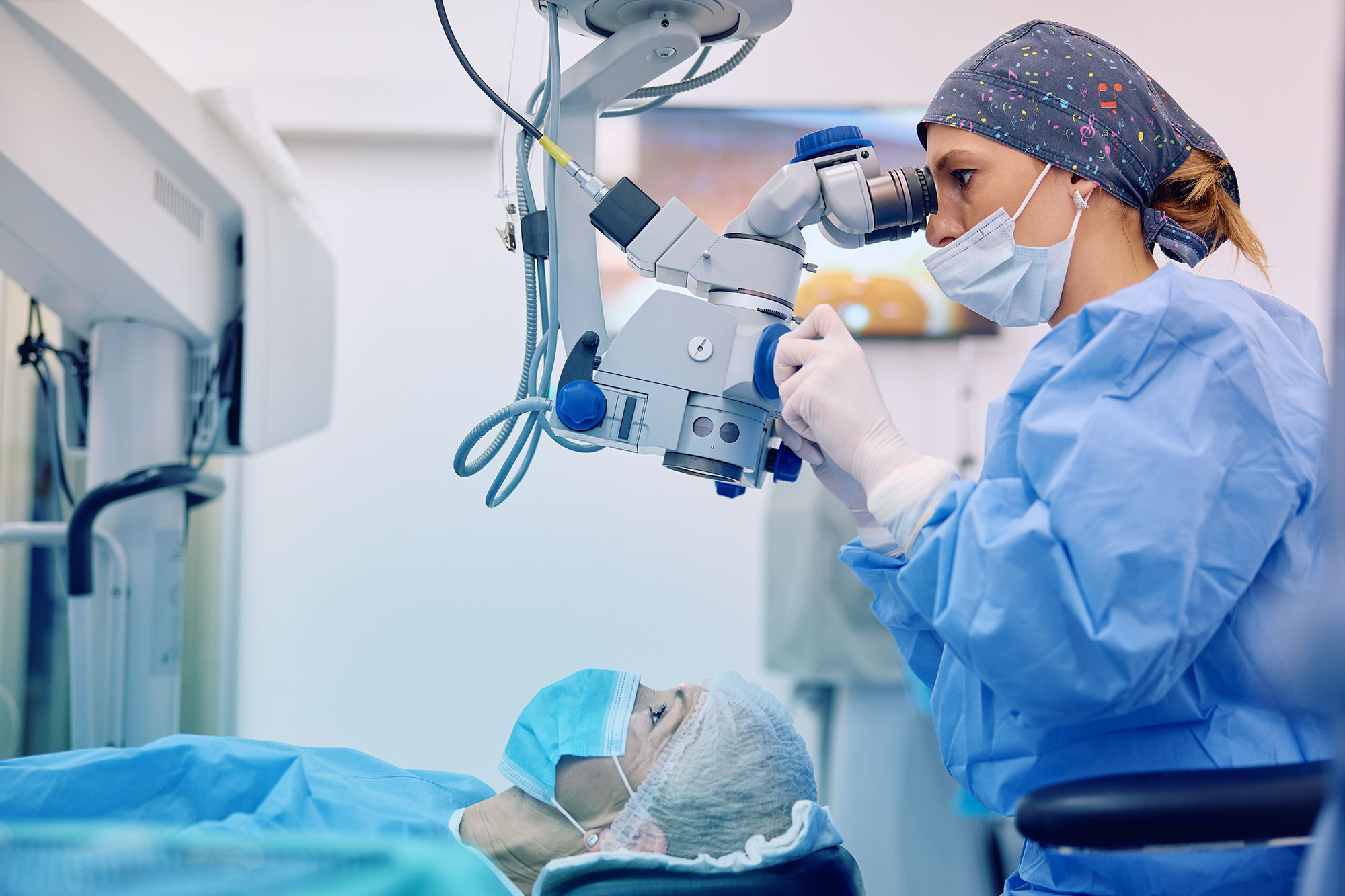
Sinus surgery may be recommended for selected patients with chronic sinusitis, nasal polyps, or persistent sinus blockage that does not improve with appropriate nonsurgical treatment. Most procedures are performed endoscopically through the nostrils to improve sinus drainage and remove obstructing tissue. Recovery usually involves temporary congestion, nasal care, saline irrigation, and follow-up visits. The decision to proceed with surgery depends on symptoms, examination findings, imaging, previous treatment, and the expected benefits and risks.
Last updated: 29/10/2026
Sinus surgery may be considered when chronic sinus inflammation, blockage, or nasal polyps continue to cause symptoms despite appropriate treatment. It is mainly used for selected patients with chronic sinusitis when medical treatment does not provide enough relief.
Most sinus operation is performed endoscopically through the nostrils, without external facial incisions. The decision to operate depends on the diagnosis, symptom severity, quality of life, previous treatment, examination findings, and the expected benefit of surgery.
If persistent nasal or sinus symptoms are affecting your daily comfort, learn more about Magrabi Health’s Rhinology service and how nasal and sinus conditions are evaluated.
Sinus operation is a group of procedures used to improve sinus drainage, open blocked sinus pathways, or remove tissue that interferes with normal airflow and drainage. It is often performed endoscopically through the nostrils, without external facial incisions.
A common technique is endoscopic sinus surgery. During this minimally invasive sinus procedure, the surgeon uses a small endoscope and specialized instruments to reach the sinus openings.
One form is functional endoscopic sinus surgery, also known as FESS. Its aim is to open affected sinus drainage pathways while preserving healthy tissue whenever possible.
A sinus operation may involve widening narrowed sinus ostia, removing nasal polyps, clearing selected diseased tissue, or correcting other anatomical problems that contribute to persistent blockage.
Sinus surgery may be needed when chronic sinus disease continues to cause significant symptoms despite appropriate nonsurgical treatment. It may also be considered when nasal polyps, blocked sinus drainage, or other structural or disease-related problems interfere with normal sinus function.
Surgical treatment for sinusitis may be considered when:
Chronic sinusitis symptoms remain significant despite appropriate nonsurgical management.
Chronic rhinosinusitis affects breathing, smell, sleep, daily activities, or overall quality of life.
Nasal polyps cause persistent obstruction or contribute to sinus disease.
Recurring or persistent disease is associated with blocked sinus drainage.
Anatomical or disease-related changes require an endoscopic treatment to improve access and drainage.
Complications or specific forms of sinus disease make surgery more appropriate than continued nonsurgical treatment alone.
Occasional sinus pressure or a short-term infection does not usually mean that surgery is needed. The reason for surgery should be clearly established before treatment is planned.
If you are unsure whether persistent nasal symptoms may be related to sinusitis, learn more about sinusitis symptoms and when an ENT assessment may be needed.
The 2025 Clinical Practice Guideline on surgical management of chronic rhinosinusitis recommends assessing surgical candidacy based on symptoms, disease characteristics, quality of life, and previous medical or surgical treatment. It also advises against requiring the same fixed duration of medical treatment for every patient before surgery.
No. Chronic sinusitis does not always require surgery. Many people can manage the condition with appropriate nonsurgical treatment, depending on the underlying cause and severity of symptoms.
Chronic sinusitis treatment may include saline rinses, topical nasal treatment, management of allergy or inflammation, and other therapies recommended by the doctor.
Surgery for chronic sinus problems may be considered when symptoms remain significant despite appropriate treatment and the expected benefit of surgery is greater than continuing nonsurgical management alone. The decision should be individualized rather than based on symptoms or imaging alone.
Sinus surgery can improve ventilation and drainage and may help ongoing treatment reach the sinuses more effectively. However, it does not necessarily eliminate the underlying tendency toward chronic inflammation.
To understand the medical options that may be considered before surgery, read more about sinusitis treatment.
Before sinus surgery, an ENT or Rhinology specialist confirms the diagnosis, evaluates the severity of symptoms, and identifies which sinuses are affected. The assessment usually combines medical history, nasal examination, endoscopy, and imaging when needed.
The evaluation may include:
A detailed review of symptoms and how long they have been present.
Examination of the nose and nasal passages.
nasal endoscopy to assess the nasal cavity and sinus openings.
A sinus ct scan when imaging is needed to confirm disease or plan surgery.
Review of previous chronic sinusitis treatment and the response to it.
Assessment for nasal polyps or other causes of sinus obstruction.
For patients being considered for surgery, CT imaging of the paranasal sinuses may be used for surgical planning if suitable imaging is not already available. However, the extent of surgery should not be based on CT findings alone.
Before sinus surgery, the preoperative assessment reviews your overall health, medical history, current medicines, previous sinus procedures, imaging, and anesthesia needs. This helps the surgical team plan the procedure safely and identify any preparation needed before surgery.
Your doctor may review:
Your general health and medical history.
Previous nasal or sinus procedures.
Current medicines and supplements.
Allergies and other respiratory conditions.
Previous scans and nasal endoscopy findings.
The planned extent of the procedure.
Anesthesia requirements.
Expected postoperative care.
Sinus operation preparation may differ between patients. Follow the instructions provided by your surgical and anesthesia teams, and do not stop medicines or change treatment unless your doctor advises you to do so.
Endoscopic sinus surgery is performed through the nostrils using a thin endoscope with a light and camera. The surgeon uses specialized instruments to open blocked sinus pathways, remove obstructing tissue when needed, and improve sinus drainage, usually without external facial incisions.
Depending on the condition, the endoscopic sinus procedure may involve:
Passing the endoscope through the nasal cavity.
Identifying the affected sinus openings and surrounding anatomy.
Opening narrowed or blocked sinus drainage pathways.
Widening selected sinus ostia when necessary.
Removing nasal polyps, scar tissue, or other obstructing tissue when indicated.
Preserving healthy tissue as much as possible.
Checking the treated areas before completing the procedure.
This approach can improve sinus drainage and may help topical treatments or saline rinses reach the sinus cavities more effectively.
Johns Hopkins Medicine explains that endoscopic sinus surgery is performed through the nostrils using an endoscope and specialized instruments and may be used for chronic sinus disease, nasal polyps, and other causes of sinus obstruction.
Not sure whether your symptoms need a Rhinology assessment? Contact the Magrabi Health team on WhatsApp for guidance about the appropriate service and next step.
No. Nasal packing is not always needed after sinus operation. Depending on the procedure, the amount of bleeding, and the patient’s anatomy, the surgeon may use nasal packing, dissolvable material, nasal splints, or no packing at all.
After sinus surgery, the surgeon may choose:
nasal packing to help control bleeding or support the treated area.
Dissolvable material that remains temporarily inside the nose and gradually breaks down.
Nasal splints when additional support or separation of nasal tissues is needed.
No packing when the procedure and postoperative condition allow it.
Some modern endoscopic sinus procedures can be completed without packing that needs to be removed later. The choice depends on the type and extent of surgery and the surgeon’s assessment.
Before leaving the hospital or surgical center, your doctor should explain whether anything has been placed inside your nose, whether it will dissolve naturally, and whether removal is needed during a follow-up visit.
Sinus surgery recovery usually involves temporary nasal congestion, mild bleeding or discharge, pressure, and tiredness during the early healing period. Recovery time varies depending on the type and extent of surgery, the underlying sinus condition, and the patient’s general health.
During the early recovery period, you may experience:
Nasal congestion.
Mild bloody drainage.
Nasal discharge.
Pressure or mild discomfort.
Tiredness.
Temporary difficulty breathing freely through the nose while swelling settles.
Johns Hopkins Medicine notes that congestion, discharge, minor bleeding, pain, and fatigue may occur after endoscopic sinus surgery. Many of these symptoms improve gradually during the first few weeks.
Recovery after sinus operation also includes postoperative nasal care and follow-up. Your surgeon will provide specific recovery instructions, including when to resume normal activities, how to care for the nose, and when follow-up visits are needed.
Saline irrigation after surgery helps clean the nasal and sinus passages during healing. It can remove dried blood, mucus, and debris while keeping the nasal and sinus lining moist.
It may help with:
Removing dried blood from the nasal passages.
Clearing mucus and postoperative debris.
Keeping the nasal and sinus lining moist during healing.
Supporting regular postoperative nasal care.
Your surgeon will tell you when to begin irrigation, which technique to use, and how often it should be performed.
Do not replace the recommended saline rinse with another nasal treatment or medication unless your doctor advises you to do so.
Post-surgical follow-up is important because it allows the specialist to monitor healing, identify possible problems, and adjust postoperative care when needed. It is an essential part of recovery after nasal and sinus surgery.
During follow-up appointments, the specialist may:
Check healing inside the nose and sinuses.
Remove crusting or accumulated material when required.
Perform nasal endoscopy to assess the surgical area.
Review symptoms, breathing, and recovery progress.
Adjust postoperative treatment when needed.
Check for infection, scarring, recurrent inflammation, or nasal polyps.
Provide updated activity and recovery instructions.
Ongoing follow-up may also be important for patients with chronic rhinosinusitis because the condition can require continued management even after surgery. The 2025 guideline recommends ongoing assessment after surgery as part of long-term care.
Recovery after sinus operation varies between patients. Some people may return to routine desk-based activities after about one week, while nasal congestion and discharge can continue for several weeks. Internal healing of the sinuses often continues even after you begin to feel better.
A typical recovery may involve:
About one week before some patients return to routine desk-based activities.
Several weeks of gradually improving nasal congestion or discharge.
Continued internal sinus healing beyond the initial recovery period.
Individual guidance on when to resume exercise, travel, nose blowing, and other activities.
The exact recovery timeline depends on the type and extent of surgery, the underlying sinus condition, and how healing progresses. Your surgeon will advise you when it is appropriate to return to work and normal activities.
During early recovery after sinus surgery, you may need to avoid activities that increase nasal pressure, raise the risk of bleeding, or interfere with healing. The exact restrictions depend on the procedure and your surgeon’s instructions.
You may be advised to avoid:
Forceful nose blowing.
Heavy lifting or strenuous exercise.
Straining.
Smoking.
Activities that may injure or put pressure on the nose.
Follow your individual postoperative nasal care plan, as recovery instructions can vary depending on the type and extent of surgery.
Do not stop, restart, or change prescription medicines after surgery unless your medical team advises you to do so.
As with any operation, sinus procedures have potential surgical risks. The overall risk depends on the procedure, anatomy, medical condition, and extent of surgery.
Possible complications include:
Possible issue | What it may involve |
Bleeding | Some blood-stained drainage is expected, but heavier bleeding may require medical attention. |
Infection | Infection can occasionally develop during the healing period. |
Scarring | Scar tissue may affect nasal or sinus drainage in some patients. |
Persistent symptoms | Surgery may improve symptoms without eliminating the underlying inflammatory condition. |
Recurrent disease | chronic rhinosinusitis or nasal polyps may return over time. |
Eye or vision complications | The sinuses are close to the eyes, so injury to nearby structures is a rare but important risk. |
Cerebrospinal fluid leak | Injury near the thin bone separating the sinuses from the brain can rarely cause a CSF leak. |
Anesthesia-related complications | Risks vary according to the patient's health and type of anesthesia. |
Serious complications involving the eyes or cerebrospinal fluid are uncommon, but they are important to discuss before surgery.
Yes. Sinusitis can return after surgery, especially in people with chronic inflammatory sinus disease or recurrent nasal polyps. Surgery can improve sinus drainage and remove areas of obstruction, but it does not always eliminate the underlying inflammation that contributes to chronic sinus problems.
Because nasal polyps can recur and contribute to ongoing sinus problems, you can also explore the available nasal polyps treatment options and when surgery may be considered.
After surgery, some patients may still need:
Ongoing medical treatment to control inflammation.
Saline rinses or other postoperative nasal care.
Regular follow-up with an ENT or Rhinology specialist.
Monitoring for recurrent symptoms or nasal polyps.
Additional treatment if chronic rhinosinusitis becomes active again.
The goal of sinus surgery is usually to improve drainage, reduce obstruction, and support ongoing treatment. It does not guarantee that chronic inflammation or sinusitis will never return.
Current clinical guidance recommends discussing the possibility of persistent or recurrent disease before surgery so patients understand the importance of long-term management and follow-up.
Sinus operation may be appropriate when persistent sinus symptoms continue despite suitable treatment and a Rhinology specialist finds that surgery is likely to provide more benefit than continued medical care alone.
The decision usually considers:
Your symptoms and how they affect daily life.
Findings from the nasal examination.
nasal endoscopy results.
Imaging findings when needed.
Previous treatments and how well they worked.
The underlying sinus condition.
Your overall quality of life.
Your individual treatment goals.
A scan alone is not enough to determine whether surgery is right for you. Your surgeon should also explain the expected benefits, limitations, alternatives, surgical risks, and whether long-term treatment may still be needed after surgery.
At Magrabi Health, the assessment helps determine whether continued medical care or sinus surgery is the more appropriate next step for your individual condition.
Contact your surgical team if your recovery does not follow the pattern they explained or if symptoms become significantly worse.
Seek prompt medical advice for symptoms such as:
Heavy or persistent bleeding.
Sudden changes in vision.
Significant swelling around the eye.
Severe or unusual headache.
Neck stiffness.
Persistent clear watery nasal drainage.
Fever or signs of infection.
Increasing pain that is not controlled as expected.
Breathing difficulty or other severe symptoms.
These symptoms do not necessarily mean that a serious complication has occurred, but they require appropriate medical assessment.
If sinus symptoms remain persistent, repeatedly return, or significantly affect your daily life, You can book an appointment with Magrabi Health through a phone call or use the booking form to determine whether continued treatment or surgery is appropriate.
Sinus surgery can be an appropriate option for selected patients with persistent sinus disease, but it is not required for every case of sinusitis. A proper diagnosis, nasal examination, imaging when indicated, and review of previous treatment help determine whether surgery is suitable. Understanding the procedure, sinus surgery recovery, follow-up care, possible risks, and the chance of recurrent disease can help you make an informed decision with your Magrabi Health specialist.
Medically reviewed by Magrabi Health Specialized Doctors.
Medical Disclaimer: The information in this article is for health education purposes only and does not replace a visit to a doctor or consultation with a qualified specialist. Magrabi Health doctors recommend seeking medical evaluation for an accurate diagnosis and appropriate treatment plan.
Clinical Practice Guideline: Surgical Management of Chronic Rhinosinusitis – PubMed, 2025.
Endoscopic Sinus Surgery – Johns Hopkins Medicine.
DHA Clinical Guidelines for Virtual Management of Acute Rhinosinusitis.

Sinusitis Symptoms: Early Signs, Types and When to See an ENT

Sinus Headache: Causes and How to Tell It Apart from Migraine