Tinnitus treatment depends on the underlying cause and its impact on daily life. Learn about common causes of ringing or buzzing in the ears, hearing assessments, and management options, including hearing aids, cognitive behavioural therapy, and sound-based strategies. Discover when to seek specialist care at Magrabi Health.
Last Update: 9/11/2026
Tinnitus treatment focuses on identifying possible causes and reducing the impact of sounds heard without an external source. These sounds may include ringing, buzzing, humming, or hissing in one or both ears. An ear examination and hearing assessment can reveal contributing factors such as earwax blockage, infection, or hearing loss.
Depending on the findings, the treatment At Magrabi Health Abu Dhabi may involve treating an underlying condition, hearing aids, cognitive behavioural therapy (CBT), or gentle background sounds. Persistent, one-sided, or heartbeat-like tinnitus needs medical assessment. Sudden hearing loss requires urgent medical attention.
Learn how persistent ringing or other ear symptoms are evaluated through Otology and Ear Care at Magrabi Health.
What is tinnitus? It is the perception of a sound when there is no corresponding external sound. Tinnitus is a symptom, not a single disease. This type of sound perception may affect one ear or both ears and may come and go or remain noticeable for long periods. Understanding these sound patterns can help guide tinnitus treatment when further assessment is needed.
People with tinnitus may experience ringing in ears, buzzing, whistling, hissing, humming, or clicking sounds without an external source. These sounds may be continuous or intermittent, affect one or both ears, and vary in pitch or intensity. Some people hear a faint buzzing sound, while others notice a persistent high-pitched ringing sound that becomes more noticeable in quiet environments or before sleep.
Tinnitus symptoms may include:
A ringing or buzzing sensation, particularly in quiet places.
Persistent ear noise or an intermittent ringing sound.
One-sided tinnitus or a sound perceived in both ears.
Difficulty sleeping, focusing, or relaxing because of the sound.
Hearing-related symptoms, such as reduced hearing or difficulty following conversations.
The loudness of tinnitus does not always reflect the seriousness of an underlying condition. A buzzing in the ears can be distressing even when a routine ear examination appears normal. This is why tinnitus treatment should consider how the sound affects daily life, not just how loud it seems.
Tinnitus may develop for several reasons, and more than one factor may be involved. Identifying possible contributing factors can guide tinnitus treatment, although a single cause is not always found.
Hearing loss: Age-related or noise-related hearing changes are common associations with tinnitus.
Loud sound exposure: Concerts, machinery, or high-volume headphones may trigger temporary or lasting symptoms.
Earwax buildup or ear infection: Ear canal blockage or inflammation may alter hearing and cause ear noise.
Inner ear conditions: Some disorders can cause tinnitus with dizziness, hearing changes, or a feeling of fullness.
Certain medicines: Some prescribed or over-the-counter medicines may contribute to tinnitus in particular circumstances.
Jaw or neck-related problems: For some people, jaw tension or head and neck movement can change the perceived sound.
Blood vessel-related causes: A rhythmic sound in time with the heartbeat, called pulsatile tinnitus, needs medical assessment.
A medical history and examination help distinguish common ear conditions from symptoms that require further investigation.
Tinnitus can sometimes improve or disappear, particularly when a temporary cause resolves or an underlying condition is successfully treated. However, persistent tinnitus does not always have a complete cure, and the outcome depends on the cause, duration, and individual hearing health.
The possibility of improvement varies depending on the circumstances:
Temporary noise exposure: Short-lived ringing after a loud concert or prolonged noise exposure may gradually settle as the ears recover.
Earwax buildup: Tinnitus caused by impacted earwax may improve after safe removal by a healthcare professional.
Ear infections: Ringing or buzzing associated with an ear infection may decrease once the infection and related inflammation resolve.
Medication-related tinnitus: Symptoms may improve when a contributing medication is reviewed and adjusted by the prescribing doctor.
Hearing-related tinnitus: When tinnitus is associated with hearing loss, hearing aids and other management strategies may help reduce its impact, even if the sound does not disappear completely.
Persistent tinnitus: Long-term symptoms may require ongoing management, including cognitive behavioural therapy (CBT), counselling, or sound-based strategies.
For people with persistent tinnitus, the goal of tinnitus treatment is often to reduce how much the sound interferes with sleep, concentration, and daily activities rather than eliminate it entirely.
An ENT evaluation and hearing assessment can help identify possible contributing factors and guide a personalized treatment plan. With appropriate support, many people can manage their symptoms and improve their daily comfort.
There is no single best treatment for everyone. The most appropriate approach depends on the possible cause, the results of a hearing test, and whether tinnitus affects sleep, concentration, mood, or communication. Treating an underlying ear condition may help some people. For others, the goal is to make the sound less intrusive and improve daily comfort.
The October 2026 Clinical Practice Guideline: Tinnitus Update supports a personalised approach for adults with persistent, bothersome tinnitus. It recommends a comprehensive audiological evaluation and identifies CBT and hearing support, when appropriate, as important management options.
The most appropriate buzzing treatment depends on the underlying cause, hearing assessment results, and how symptoms affect daily life. The table below outlines common tinnitus-related conditions and the management approaches that may be recommended following medical evaluation.
Situation | Possible management approach |
Earwax blockage or a diagnosed ear infection | Treat the underlying ear condition. |
Tinnitus with hearing loss | Consider a hearing aid evaluation and hearing support. |
Persistent tinnitus causing distress | Consider tinnitus-focused CBT and appropriate counselling. |
Tinnitus more noticeable in quiet settings | Try gentle background sound or sound enrichment for comfort. |
One-sided or heartbeat-like tinnitus | Seek specialist assessment and selected investigations. |
Possible medication-related tinnitus | Review medicines with the prescribing clinician; do not stop them independently. |
A clinician may identify earwax buildup, infection, or another ear condition during examination. Treating the condition can sometimes reduce tinnitus, although improvement is not guaranteed. When an underlying problem is identified, tinnitus treatment may help reduce the sound, although improvement is not guaranteed.
Tinnitus can occur alongside age-related or noise-related hearing loss. Hearing aids may improve access to everyday sounds and make tinnitus less noticeable for some people. For people with confirmed hearing loss, tinnitus treatment may include hearing aids to improve access to everyday sounds and make tinnitus less noticeable.
Tinnitus-focused CBT helps people change how they respond to persistent ear noise. It can reduce distress and improve coping, sleep, and daily functioning even when the sound itself remains. CBT does not mean the tinnitus is imaginary; it addresses the real burden of living with it.
Soft background music, nature sounds, or a low-volume bedside sound source may make tinnitus easier to tolerate in quiet rooms. Counselling can explain hearing-related symptoms and help build practical coping strategies. Sound enrichment is an optional aid, not a proven cure or a substitute for assessment.
There is currently no medication or dietary supplement proven to reliably cure persistent tinnitus. Instead, tinnitus treatment generally focuses on addressing underlying conditions and reducing the impact of symptoms rather than eliminating the sound completely.
The role of medical treatment depends on the individual's condition:
Medications: A doctor may prescribe treatment for an underlying ear infection, anxiety, or sleep difficulties when clinically appropriate. However, these medicines do not directly cure tinnitus.
Dietary supplements: Vitamins, herbal products, and other supplements are not routinely recommended for tinnitus treatment because there is insufficient evidence that they provide consistent benefits.
Hearing interventions: People with associated hearing loss may benefit from hearing aids. In selected cases of severe hearing loss, cochlear implants may be considered based on specialist assessment and eligibility criteria.
If tinnitus begins or worsens after starting a medication, discuss the symptoms with your doctor. Never stop or change prescribed medicines without medical advice.
An ENT evaluation can help identify possible contributing factors and determine which treatment options are appropriate for your hearing health.
An ENT evaluation is appropriate when tinnitus persists, keeps returning, or affects sleep, work, or daily comfort. Arrange an assessment if you notice any of the following:
Persistent tinnitus or a new sound confined to one ear.
Ringing accompanied by gradual hearing changes, ear fullness, or recurring ear discomfort.
A pulsing sound that seems to follow your heartbeat.
Tinnitus accompanied by dizziness or balance problems.
Symptoms that are causing significant distress or affecting your usual activities.
Choosing the right specialist is an important step when tinnitus persists or occurs alongside hearing changes. For guidance on finding an ENT doctor with experience relevant to your symptoms, you can read How to Choose the Best ENT Doctor in Abu Dhabi.
Seek urgent medical care if tinnitus occurs with sudden hearing loss, especially if hearing changes develop over hours or a few days. Sudden facial weakness, difficulty speaking, or other new neurological symptoms require emergency assessment. Do not delay care while trying home remedies or waiting for a routine hearing appointment.
If ringing or buzzing keeps returning, contact Magrabi Health on WhatsApp to ask the patient-support team about ENT and audiology appointments in Abu Dhabi.
Tinnitus is assessed through a symptom review, ear examination, and hearing assessment. The findings help identify possible causes, check for hearing changes, and guide tinnitus treatment when appropriate.
The specialist may ask when the sound started, whether it affects one or both ears, whether it follows the heartbeat, and whether noise exposure, medicines, ear symptoms, or dizziness are relevant. Examination may identify earwax, infection, or visible changes in the ear canal or eardrum.
An audiologist can test hearing across different pitches and assess speech understanding where appropriate. This matters because some hearing changes are not obvious in everyday conversations. Results help guide hearing support and any further investigation.
Tympanometry may be used if a middle-ear problem is suspected. MRI or other imaging may be appropriate for selected people with one-sided tinnitus, associated neurological signs, or pulsatile tinnitus. Imaging is not necessary for every person with tinnitus. The NICE guideline on tinnitus assessment and management sets out when hearing tests, imaging, and specialist referral should be considered.
Home strategies can support tinnitus treatment by making the sound less intrusive, but they do not replace medical care when warning signs are present.
Protect your ears from excessively loud noise, and use hearing protection when appropriate.
Keep headphone sound at a comfortable level and take breaks from prolonged listening.
Try soft background sound at bedtime if silence makes the ringing more noticeable.
Maintain a regular sleep routine and use relaxation techniques when stress increases awareness of the noise.
Note changes in the sound, hearing, sleep, or balance so you can describe them accurately during your appointment.
Ask a clinician about possible medication effects instead of stopping treatment on your own.
Avoid inserting objects into the ear canal, using ear candles, or relying on supplements advertised as tinnitus cures. If home strategies are not enough, a clinician can discuss evidence-based management options.
At Magrabi Health Abu Dhabi, people with persistent ringing in the ears, buzzing, or hearing changes can seek ENT and audiology assessment based on their symptoms. The appointment may involve an ear examination, a review of hearing-related concerns, and a hearing test when indicated.
The purpose of the assessment is to understand the possible cause and explain appropriate next steps. Depending on the findings, tinnitus treatment may involve addressing an ear condition, hearing support, or a referral for further care.
If tinnitus is interfering with your daily comfort, book an ENT or audiology assessment with Magrabi Health Abu Dhabi through a phone call or use the booking form to discuss your symptoms and the next appropriate step.
Tinnitus can cause ringing, buzzing, or other sounds that vary in duration and impact. The right tinnitus treatment depends on possible causes, hearing findings, and how much the symptoms affect daily life. Treatable ear problems, hearing support, CBT, and practical sound strategies may each have a role. Persistent or one-sided tinnitus deserves assessment, while sudden hearing loss needs urgent attention. Magrabi Health Abu Dhabi can help patients begin with an appropriate ENT or audiology evaluation.
Medically reviewed by Dr. Ahmed Morsi
Medical Disclaimer: The information in this article is for health education purposes only and does not replace a visit to a doctor or consultation with a qualified specialist. Magrabi Health doctors recommend seeking medical evaluation for an accurate diagnosis and appropriate treatment plan.
Clinical Practice Guideline: Tinnitus Update (2026), Otolaryngology-Head and Neck Surgery / PubMed.
NICE Guideline NG155: Tinnitus - Assessment and Management, Recommendations.
Audiology Allied Healthcare Professionals Scope of Practice – 2026.
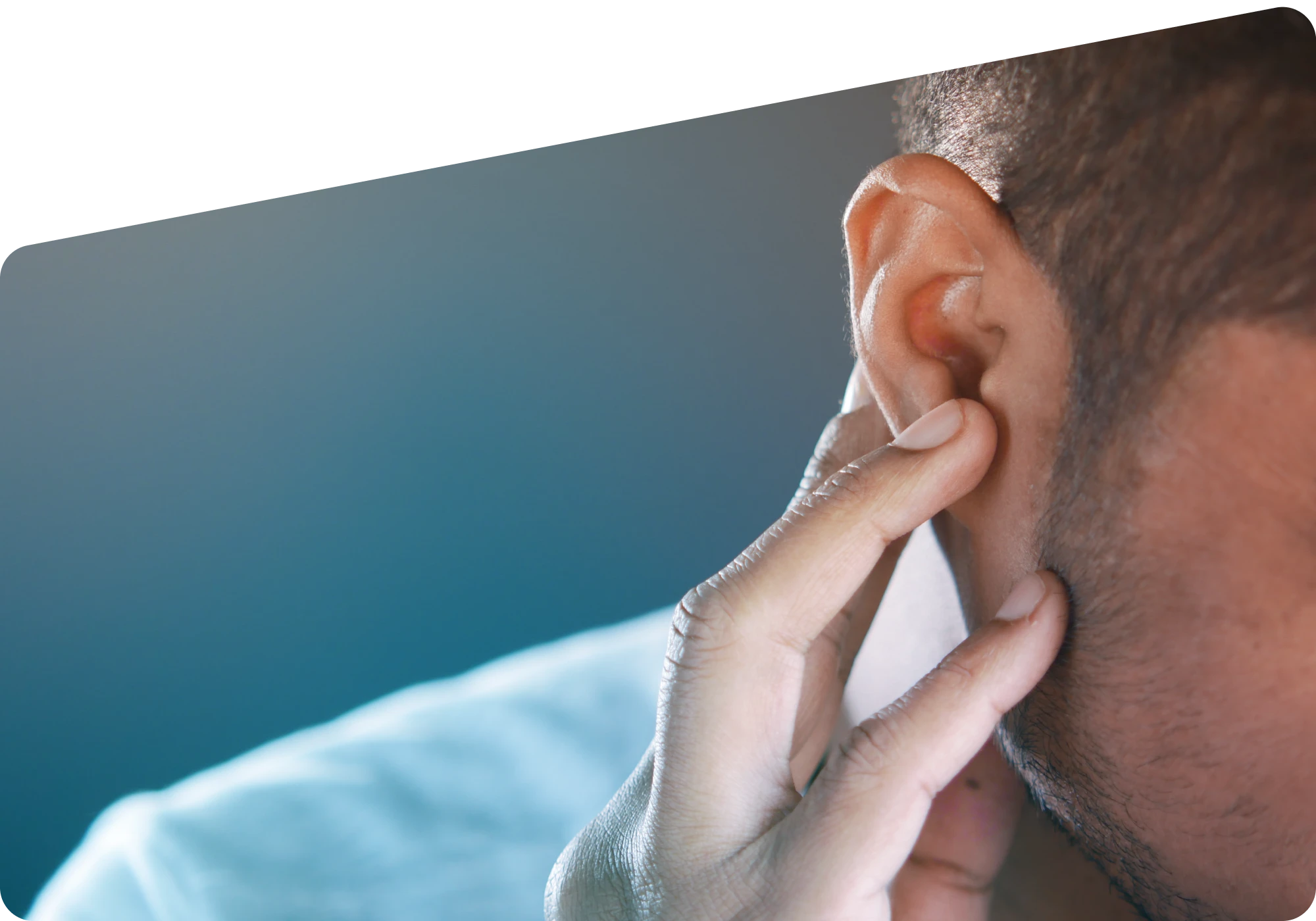
Ear Pain: Common Causes, Relief and Warning Signs
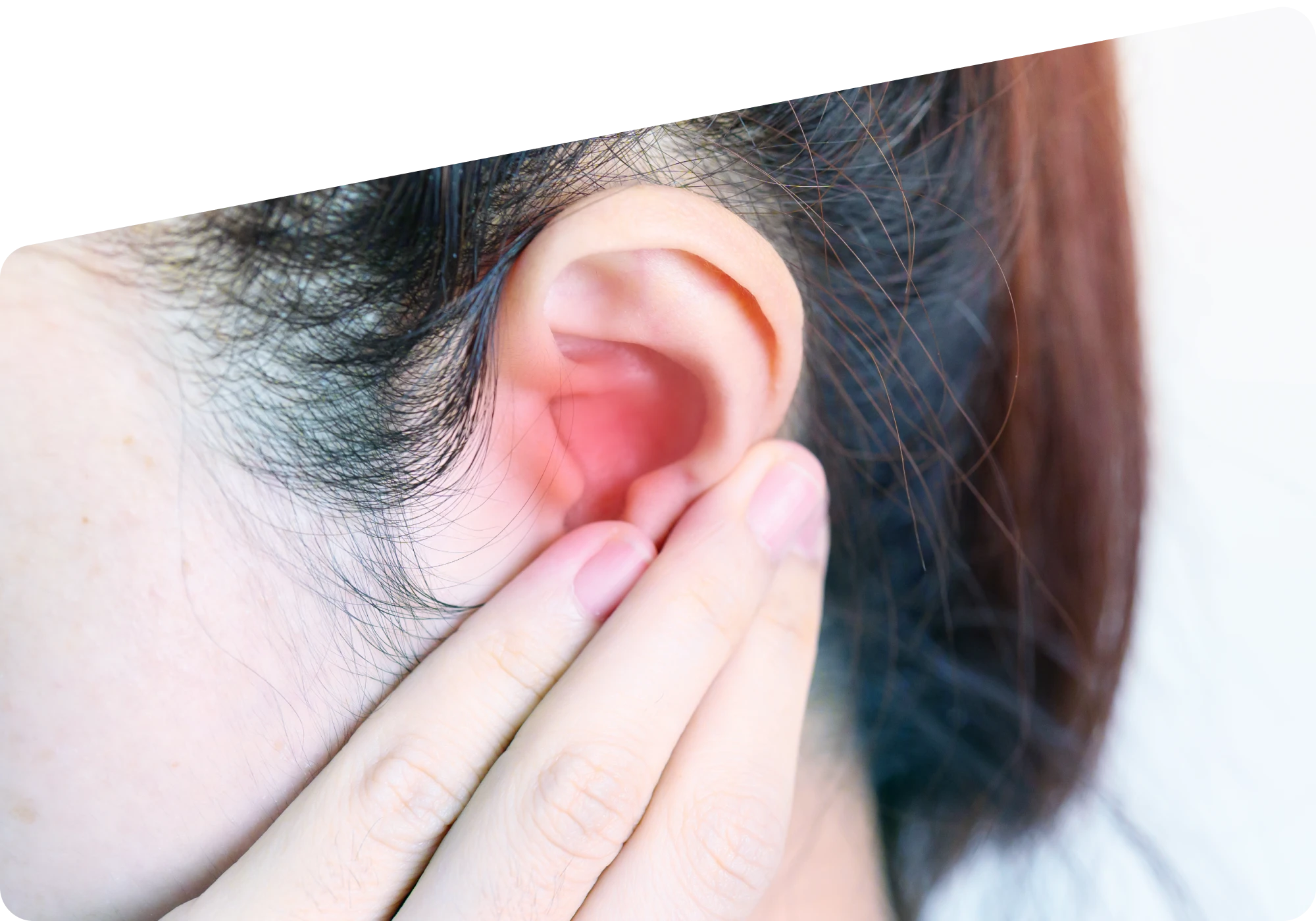
Ear Infection Symptoms: Types, Warning Signs and Diagnosis