This article explains the main causes of watery eyes, including dry eye, allergies, eyelid inflammation, and blocked tear ducts. It also covers how persistent tearing is diagnosed and the difference between excess tear production and drainage problems.
Last updated: 7/9/2026
Watery eyes are common and can occur when the eyes produce extra tears because of irritation or when tears cannot drain normally. Common causes include dry eye, allergies, eye irritation, infection, eyelid problems, and blockage of the tear drainage system.
Some people notice watery eyes mainly in wind, cold air, or after prolonged screen use, while others experience persistent tearing throughout the day or symptoms affecting only one eye.
The pattern of tearing can provide useful clues about the possible cause, but it cannot confirm a diagnosis on its own. Persistent watery eyes should be assessed when they interfere with vision, comfort, or daily activities.
Persistent watery eyes or recurrent tear overflow can be assessed through Magrabi Health’s Oculoplasty and Cosmetology Service to help determine whether the cause is related to the eyelids, tear ducts, or tear drainage system, and to identify the appropriate next steps based on the examination.
Tearing occurs when tears build up and overflow over the eyelid or onto the cheek because of increased tear production or poor drainage through the tear drainage system. This condition is medically known as epiphora.
It is not a disease itself, but a symptom that may result from excessive tear production, impaired drainage, or both.
For this reason, treatment does not simply focus on reducing tears. It depends on identifying the underlying cause of the overflow.
Tearing can develop for several reasons. Some causes increase tear production, while others interfere with the normal drainage of tears.
Common causes include:
Dry eye and an unstable tear film.
Allergies or conjunctival irritation.
A blocked tear duct or narrowing of the tear drainage pathway.
Eyelid problems such as ectropion or entropion.
Blepharitis and eyelid inflammation.
Eye infections.
Foreign bodies or corneal irritation.
Wind, smoke, dry air, or prolonged screen use.
The exact cause matters because excessive tear production and poor drainage require different approaches to treatment.
Yes. Dry eye can trigger reflex tearing when the eye surface becomes irritated.
These extra tears may be watery and may not remain on the surface long enough to provide effective lubrication. This is why dryness, burning, grittiness, and excessive tearing can occur together.
Symptoms may become more noticeable with air conditioning, wind, prolonged screen use, or other factors that destabilize the tear film.
Yes. Allergies can irritate the conjunctiva and trigger increased tear production.
Itching and redness often occur with watering eyes, and both eyes are commonly affected. Pollen, dust, pet dander, smoke, and other environmental triggers may contribute.
Allergy-related tearing may also occur with sneezing or nasal congestion.
Blepharitis can disturb the oils that support a stable tear film. The eye surface may then become irritated and respond with increased tearing.
Other symptoms may include:
Burning or stinging.
Redness.
Crusting around the eyelashes.
Dry or gritty eyes.
Fluctuating discomfort.
This is another example of why excessive lacrimation does not necessarily mean the eye has a healthy tear film.
Yes. Wind, cold air, smoke, pollution, and strong air conditioning can irritate the eye surface or increase tear evaporation, sometimes triggering reflex tearing.
Prolonged screen use can have a similar effect because people tend to blink less while focusing on digital devices. This can make the tear film less stable, leading to dryness, irritation, and watery eyes.
Regular screen breaks, frequent blinking, and avoiding direct airflow may help. If tearing persists or affects vision or daily activities, an eye examination may be needed to identify another cause.
Yes. Whether tearing affects one eye or both can help narrow down the possible causes, although it cannot confirm the diagnosis on its own.
Persistent watering in one eye may raise greater suspicion of a localized problem, such as narrowing or blockage of the tear drainage openings or ducts, an eyelid position abnormality, a foreign body, or inflammation affecting that eye.
Watering in both eyes is more commonly associated with dry eye, allergies, or environmental irritation.
However, some conditions can affect either one or both eyes. For this reason, diagnosis also depends on how long the tearing has been present, associated symptoms such as pain, discharge, or swelling, and examination of the eye surface, eyelids, and tear drainage system.
The causes of watery eyes can vary with age. In infants, tearing may be related to a congenital blockage of the nasolacrimal duct and may be accompanied by persistent watering or recurrent discharge. In adults, common causes include dry eye, allergies, blepharitis, eyelid position problems, or acquired narrowing or blockage of the tear drainage system.
Treatment also depends on the underlying cause. Some congenital tear duct blockages in children may improve with growth and monitoring, while treatment in adults is directed at the specific problem affecting the eye surface, eyelids, or tear drainage pathway.
If your eyes keep watering and the symptoms are persistent, contact Magrabi Health on WhatsApp to ask whether an eye surface, tear drainage, or oculoplasty assessment may be appropriate for your symptoms.
Diagnosis begins with the pattern of symptoms. The doctor may ask when tearing started, whether one or both eyes are involved, and what makes the symptoms better or worse.
Associated symptoms also matter. Itching, dryness, pain, discharge, redness, swelling, or changes in vision can help narrow down the possible cause.
Depending on the examination, assessment may include:
Examination of the eye surface and eyelids.
Tear film assessment.
Evaluation for dry eye or inflammation.
Inspection of the puncta.
Assessment of eyelid position.
Fluorescein dye testing.
Tear drainage irrigation or probing when indicated.
Additional imaging or nasal assessment in selected cases.
Note: Not every patient needs every test.The purpose of the assessment is to identify whether persistent tearing originates from excessive tear production, the eye surface, eyelid anatomy, or the lacrimal drainage pathway.
Treatment for watering eyes depends on the underlying cause. There is no single epiphora treatment that is suitable for every patient.
Depending on the diagnosis, treatment may focus on:
Improving tear film stability.
Treating dry eye.
Managing blepharitis.
Treating allergy or infection.
Removing a foreign body or source of irritation.
Correcting an eyelid position problem.
Improving drainage through a narrowed tear pathway.
Bypassing a blocked tear duct when necessary.
The goal is not simply to reduce the amount of tearing. It is to correct the problem causing the tear overflow.
If dryness is causing reflex tearing, treatment usually focuses on improving lubrication and reducing eye surface irritation.
A doctor may recommend suitable lubricating drops or treatment for conditions such as blepharitis. Environmental factors such as dry air, wind, smoke, and prolonged screen use may also need to be addressed.
In some cases of dry eye, the doctor may reduce tear drainage by using punctal plugs, which help keep natural tears on the eye surface for longer. This approach is different from treating a tear duct blockage that is causing excessive tearing.
The UK National Health Service (NHS), in its article “Watering Eyes,” explains that excessive tearing can be linked to several causes, including blocked tear ducts, allergies, or infections. It also notes that dry eyes can sometimes trigger increased tear production.
Treatment depends on the location and severity of the blockage. Options may include punctal dilation, probing, tear duct intubation, or treatment of associated inflammation or infection.
For significant nasolacrimal duct obstruction, dacryocystorhinostomy (DCR) may be considered. This procedure creates a new pathway for tear drainage and is recommended only when appropriate after specialist assessment.
When an eyelid problem interferes with drainage or repeatedly irritates the eye surface, treatment may need to address the eyelid itself.
Correcting ectropion, entropion, or significant eyelid laxity may improve tear drainage and reduce eye surface irritation.
The appropriate treatment depends on the eyelid anatomy, severity of symptoms, and underlying cause.
Occasional tearing after temporary irritation may settle on its own. Persistent or recurrent eye watering should be assessed when symptoms begin to affect daily life.
Arrange an eye assessment if you notice:
Constant or recurrent tearing.
Tearing that mainly affects one eye.
Repeated tear overflow onto the cheek.
Recurrent discharge or mucus.
Swelling near the inner corner of the eye.
A noticeable change in eyelid position.
Persistent redness or irritation.
Persistent watering in children should also be assessed when it occurs with discharge, swelling, redness, light sensitivity, or concerns about vision.
If persistent tearing may be related to eyelid position or the tear drainage system, contact Magrabi Health through a phone call or the booking form to arrange an appropriate assessment.
Persistent eye watering can result from dry eye, allergies, eye surface irritation, excessive tear production, eyelid changes, or tear drainage problems.
Because these causes require different treatment approaches, persistent tearing should be evaluated rather than treated based on the symptom alone. An eye examination can help determine whether the problem involves the tear film, eyelids, or lacrimal system.
When epiphora is associated with eyelid position or tear drainage problems, an Oculoplasty and Cosmetology assessment can help determine the appropriate next step.
Medically reviewed By Magrabi Health Specialized Doctors
Medical Disclaimer: This article is for health education only and does not replace professional medical advice, diagnosis, or treatment. Always consult a qualified eye specialist for persistent, severe, or vision-related symptoms.
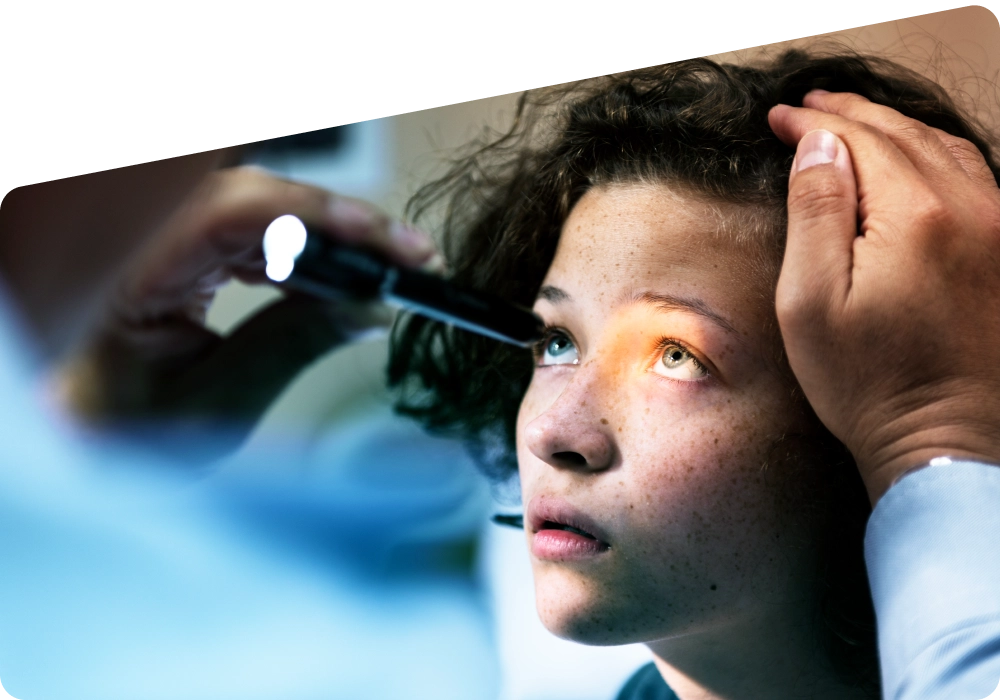
6 Signs of a Blocked Tear Duct and Available Treatment Options

Understanding Eye Allergies
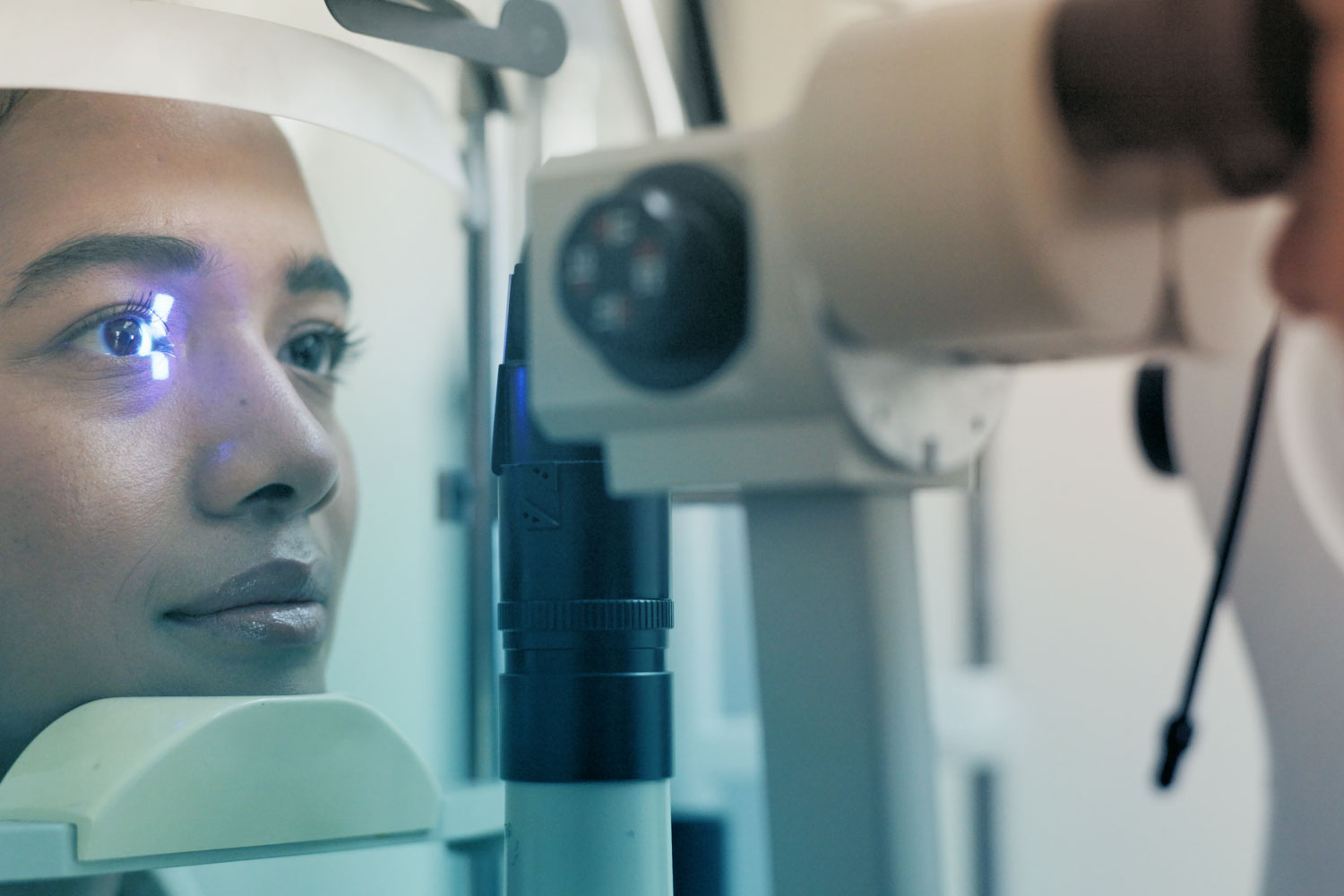
The Importance of Regular Eye Exams